Programs

Eight programmes, and the honest sentence about each

Every lender's website lists the same eight. Almost none of them tell you when a programme is the wrong answer. These pages do.

Wholesale lenders
31 on the panel
Credit pulls
One, used everywhere
Licensed
Virginia, Maryland, North Carolina

Buying a home

The four purchase routes

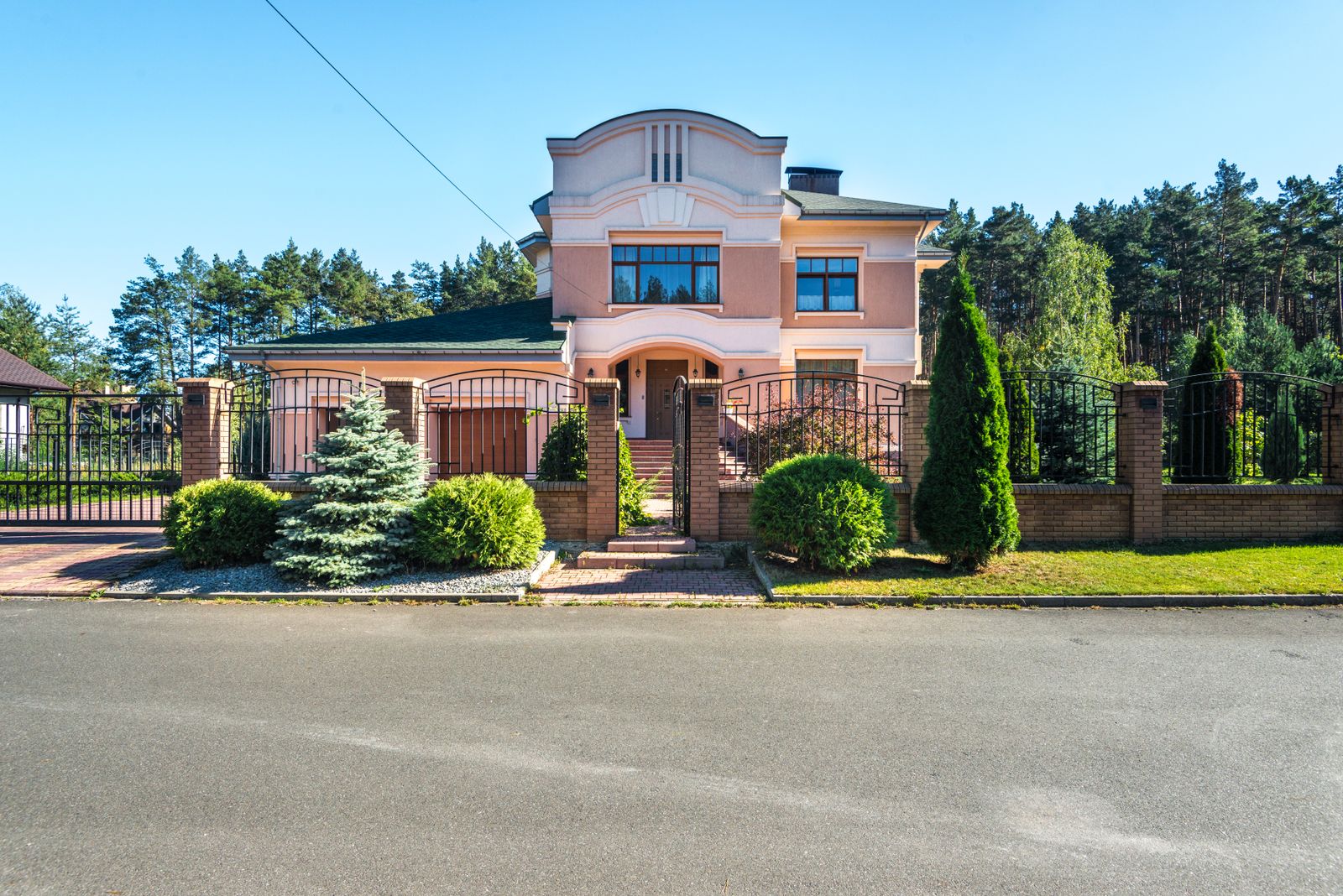
  • Fannie Mae and Freddie Mac conforming financing from 3% down, with mortgage insurance that ends rather than following you for the life of the loan.

    Honest bitBest when your mid FICO is 700 or better. Below about 660 an FHA file usually prices lower, because conventional pricing is risk-based and FHA pricing is not.

    Minimum down payment
    3% (first-time buyer) / 5% standard
    Mid FICO floor
    620, priced properly from 700
    Max DTI
    45%, to 50% with strong reserves
    Open Conventional purchase

  • Government-insured financing with a 580 credit floor, 3.5% down and pricing that barely notices your score. The cost is mortgage insurance that usually never cancels.

    Honest bitThe right answer when credit is thin or bruised, or when a debt-to-income ratio needs the wider FHA box. The wrong answer at 760 FICO and 20% down, where conventional is cheaper on every line.

    Minimum down payment
    3.5% at 580 FICO, 10% from 500 to 579
    Upfront MIP
    1.75% of the loan, financed into the balance
    Annual MIP (sample)
    0.55% at 30 years and 95% LTV or less

    Open FHA

  • No down payment, no monthly mortgage insurance, and a funding fee that disappears entirely with a service-connected disability rating.

    Honest bitAlmost always the best loan a qualifying veteran can get. The one place it struggles is a competitive multiple-offer situation, where listing agents still misread VA appraisals.

    Down payment
    0% up to full entitlement
    Monthly mortgage insurance
    None, on any loan-to-value
    Funding fee (sample)
    2.15% first use, 3.3% subsequent

    Open VA

  • Financing above the conforming limit, priced by portfolio lenders who keep the loan rather than sell it, and who therefore write their own rules.

    Honest bitJumbo underwriting is relationship underwriting. The file that is declined at one bank is approved at another the same week, which is exactly why a broker beats a single lender here.

    Threshold (sample)
    Above $806,500 one unit
    Typical minimum down
    10% to 20%, by lender and loan size
    Mid FICO
    700 floor, best pricing at 760

    Open Jumbo and high balance

Particular situations

Where files get complicated

  • Virginia Housing down payment assistance, the Mortgage Credit Certificate, and the household income caps that decide which of them you can actually use.

    Honest bitAssistance is not free money. Most of these programmes price a quarter to half a point above market, so the question is always whether the help you receive today outweighs the rate you carry for years.

    First-time definition
    No ownership interest in a primary residence for three years
    Richmond MSA income cap (sample)
    $126,000 household, one or two people
    Sales price cap (sample)
    $573,000 in the Richmond MSA

    Open First-time buyer, Virginia

  • Two-year averaging, Form 1084 add-backs, K-1 distributions and bank statement files, for people whose tax return deliberately understates what they earn.

    Honest bitIf your accountant did a great job last year, your mortgage qualifying income is probably worse than you think. There are legitimate ways to add income back, and there are limits to them.

    History required
    Two years, with limited one-year exceptions
    Averaging
    24-month average, or the lower year if income is declining
    Common add-backs
    Depreciation, depletion, amortization, business use of home

    Open Self-employed

  • Lower the rate, shorten the term, or drop mortgage insurance, without taking cash out and without quietly restarting a thirty-year clock.

    Honest bitThe break-even month is the only number that matters, and it is not the one most lenders lead with. If you plan to move in three years, a 34-month break-even is a loss.

    Max LTV
    97% conventional, 90% on most jumbo desks
    Typical closing costs (sample)
    $3,200 to $5,400 in the Richmond market
    Appraisal waiver
    Frequently available under 80% LTV

    Open Rate and term refinance

  • Convert equity into cash at a first-lien rate, subject to an 80% loan-to-value ceiling, its own price adjustments and a twelve-month ownership rule.

    Honest bitIf you have a 3% first mortgage, a cash-out refinance is usually the wrong tool. A second lien or a HELOC keeps the cheap first loan intact, and we will tell you that rather than sell you a refinance.

    Max LTV
    80% conventional owner-occupied, 75% investment
    Seasoning
    Twelve months ownership for most conventional cash-out
    Price adjustment (sample)
    0.375 to 1.25 points by score and LTV

    Open Cash-out refinance

Side by side

The three numbers people actually compare

Sample figures for illustration. The real ones arrive on your loan estimate.

Programme comparison, sample figures
ProgrammeMinimum downCredit floorMortgage insurance
Conventional purchase3% (first-time buyer) / 5% standard620, priced properly from 700Cancels at 80% LTV on request
FHA3.5% at 580 FICO, 10% from 500 to 579Varies1.75% of the loan, financed into the balance
VA0% up to full entitlementNo VA minimum; desks overlay at 580 to 620None, on any loan-to-value
Jumbo and high balanceAbove $806,500 one unit700 floor, best pricing at 760Programme specific
First-time buyer, VirginiaNo ownership interest in a primary residence for three yearsVariesProgramme specific
Self-employedTwo years, with limited one-year exceptionsVariesProgramme specific
Rate and term refinance97% conventional, 90% on most jumbo desksVariesProgramme specific
Cash-out refinance80% conventional owner-occupied, 75% investmentVariesProgramme specific

Scroll the table sideways on a narrow screen. Loan limits, premiums and credit floors change; treat everything here as a sample.

Answers

Questions about qualifying

Something not covered here? Call (804) 555-0146 and ask.

620 for most conventional programmes, 580 for FHA at 3.5% down, and no published VA minimum although most desks overlay at 580 to 620. The score that matters is your middle score of the three bureaus, or the lower middle score if there are two borrowers.

Zero on VA and USDA, 3% on conventional first-time buyer programmes, 3.5% on FHA. Down payment assistance can cover part of that. The bigger constraint for most Richmond buyers is closing costs, not the down payment itself.

Pre-qualification is arithmetic based on what you told me. Pre-approval means an underwriter has reviewed your actual income and asset documents. I only issue the second kind, because a listing agent in this market can tell the difference.

Two years of W-2s or tax returns, thirty days of pay stubs, two months of statements for every account you will use, photo identification, and for self-employed borrowers the complete business returns plus a year-to-date profit and loss statement.

Your total monthly debt payments, including the proposed housing payment, divided by your gross monthly income. Conventional generally runs to 45%, to 50% with strong reserves. FHA with an approve finding can reach into the mid fifties.

Not sure which of the eight fits

That is the call. Twenty-five minutes, your actual numbers, and a straight answer about which programme is cheapest for your file.

Three wholesale quotes on the same day's pricing, before you choose.

Cookie preferences

Choose which cookies you allow. You can change this at any time from the link in the footer.